
By Arret Jatta
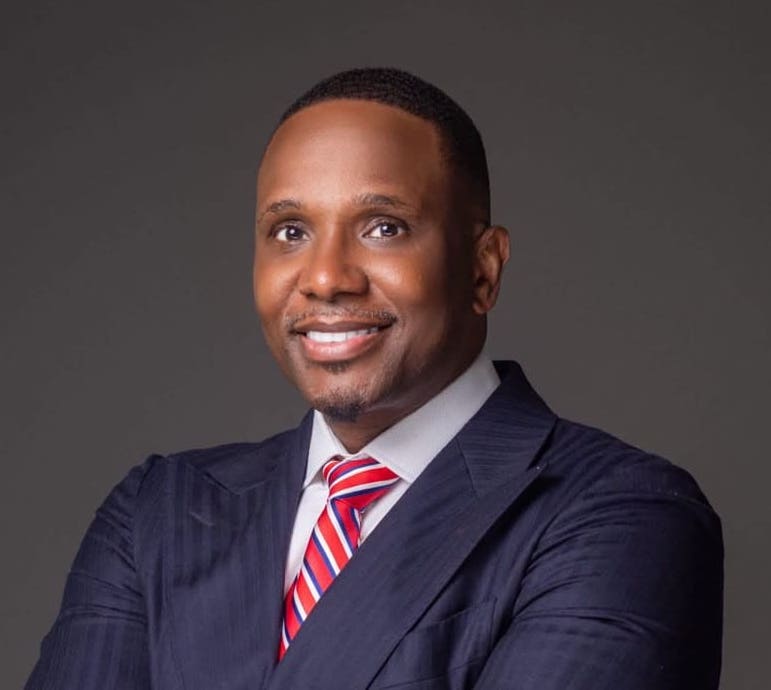
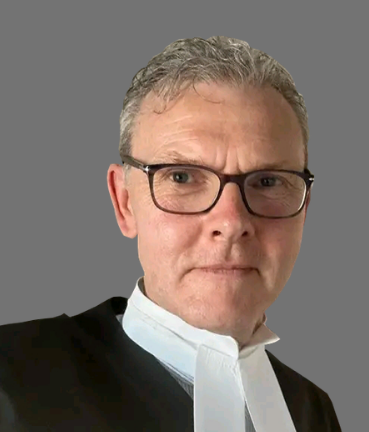
Special Prosecutor Martin Hackett tasked with pursuing criminal cases against individuals implicated in human rights abuses during former president Yahya Jammeh’s 22-year rule, has rejected claims of selective justice in the prosecution of crimes committed during former president’s rule, saying decisions will be guided by evidence, available resources and the strength of individual cases.
Hackett made the remarks on Friday, during a town hall meeting with legal practitioners, law students and other legal professionals, where he explained how the Special Prosecutor’s Office (SPO) is approaching prosecutions linked to the Jammeh era.
He said the findings of the Truth, Reconciliation and Reparations Commission (TRRC) were extensive and required careful assessment before prosecutors could decide which cases to pursue.
“It’s not selective justice. It’s considered justice on the evidence,” Hackett said.
He acknowledged that the prosecution of some individuals while others remain uncharged could attract criticism. However, he said several factors would influence the office’s decisions, including resources, the potential impact of cases and the willingness of victims to testify.
Hackett said prosecutors were assessing the TRRC’s findings to determine their strength and whether further investigations could support criminal proceedings.
He also raised concerns about prosecuting international crimes that have not been formally incorporated into Gambian law.
“From a domestic perspective, I see it really difficult being able to prosecute international crimes that aren’t formally incorporated into the law of The Gambia,” he said.
Hackett added that he was yet to be persuaded that crimes against humanity could be successfully prosecuted in domestic courts under the current legal framework.
However, he said offences such as murder, rape, actual bodily harm and grievous bodily harm could be prosecuted under domestic law.
He said these offences could attract lengthy prison sentences upon conviction, including when the accused persons were high-profile individuals.
The Special Prosecutor’s Office is tasked with pursuing accountability for serious crimes committed during Jammeh’s 22-year rule, which ended in January 2017.