By Olimatou Coker
The Institute for Human Rights and Development in Africa [IHRDA] has called on journalists to uphold the highest ethical standards when reporting on children, warning that irresponsible coverage can itself become a rights violation.
The call was made during a 2-day training workshop held at Senegambia Beach Hotel, organized by IHRDA in partnership with the Gambia Press Union [GPU] and with support from Unicef. Over 25 journalists and presenters from community radio stations across The Gambia took part.
The training is part of the project “Strengthening Media Capacity on Children’s Rights and Ethical Reporting in The Gambia” and is aimed at equipping media practitioners to report accurately, safely and with sensitivity to the best interests of the child.
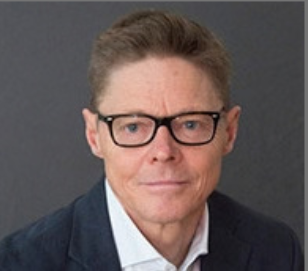
Michael Gyan Nyarko, Deputy Executive Director of IHRDA, described the media as a “natural ally” in advancing human rights. He said responsible reporting can shape public debate, educate communities, and document both violations and progress on children’s rights.
But he cautioned: “The media can also become a violator when reporting is not guided by proper ethical standards.”
Nyarko urged journalists to protect the identities of children involved in cases of abuse, exploitation, child marriage, FGM, and child labour. He warned that online content remains accessible indefinitely and can cause lasting harm.
“Child protection is a specialized area,” he said. “Journalists must understand not only what the law permits, but the ethical duty to safeguard vulnerable children.”
He also encouraged reporters to highlight children’s achievements — in schools, communities and platforms like the Children’s Parliament — not just their challenges.
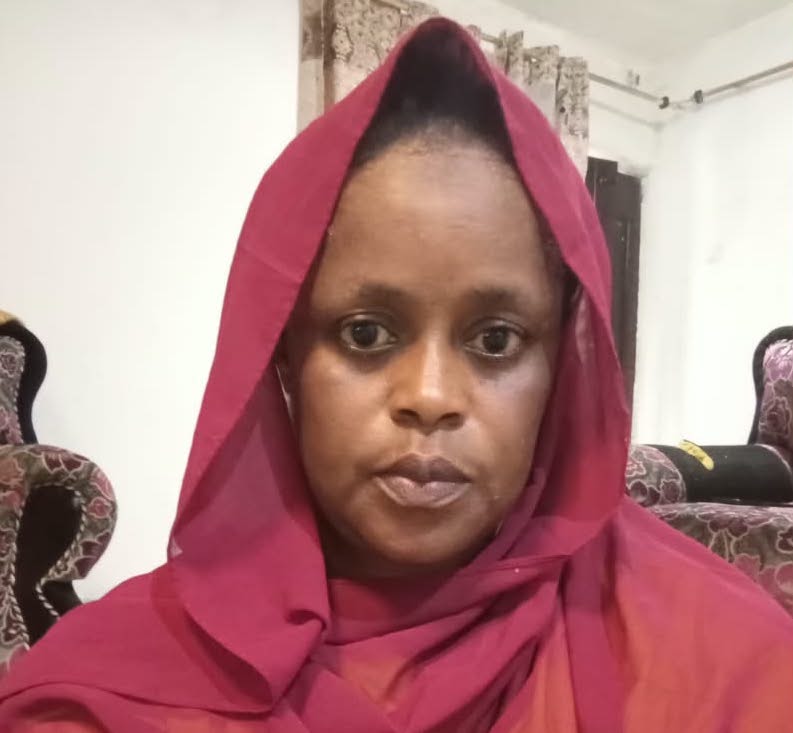
Isatou Keita, President of the Gambia Press Union, said limited resources and weak editorial support must not be an excuse for poor reporting.
“This training gives you the legal knowledge and practical skills to report on children and survivors safely and ethically,” Keita told participants. “Apply it in your newsrooms and protect every child’s dignity.”
Emmanuel, Child Protection Specialist at Unicef, said the workshop is part of a broader partnership to strengthen the entire media sector.
“Community radio has a unique role,” he said. “You influence what families discuss and what leaders prioritise at community and national level. That is why investing in your capacity on children’s rights is critical.”
He stressed this is not a one-off event but part of a sustained effort to embed child-rights reporting standards in Gambian media.
Organisers said the training will help ensure media coverage of children in The Gambia is accurate, ethical, and centered on protection and dignity.