
By Olimatou Coker
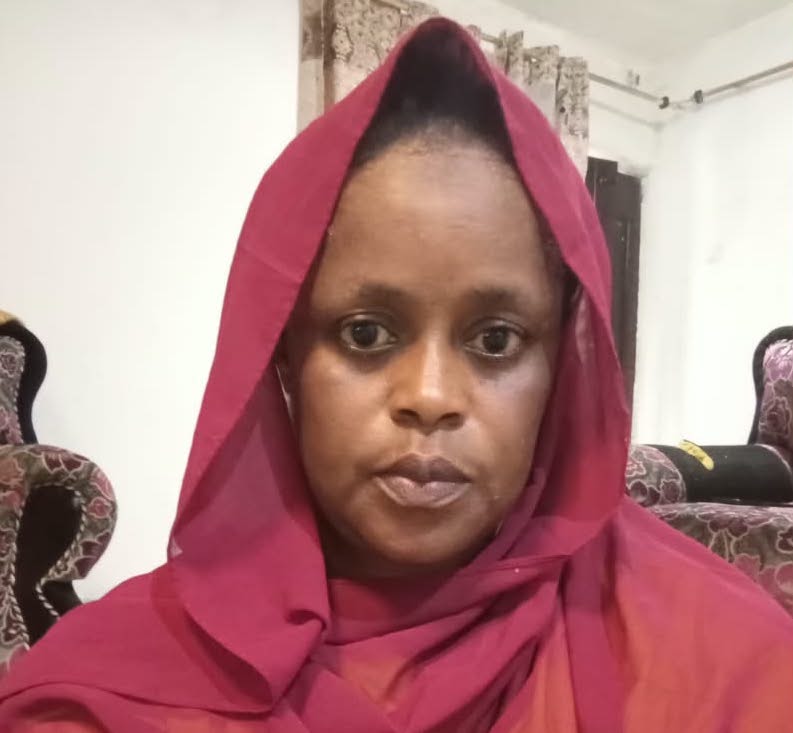
A beneficiary of the Nafa cash transfer programme in Abuko says the assistance has renewed her hope after years of hardship.
Bintou Sillah, a mother of nine, received her first Nafa cash payment of D6,000 covering two months and called the support a lifeline that will improve her family’s living conditions. She said years of poverty, and a lack of education left her unable to provide for her children.
“I have nine children, and life has been very difficult because I am not educated and I do not have a business,” she said. “This money will help meet my family’s needs and allow me to start a small business. I thank God that this assistance has come.”
Sillah said she will use part of the cash to feed her family and cover her children’s needs, and that the transfer has given her renewed hope and confidence to work toward a better future.
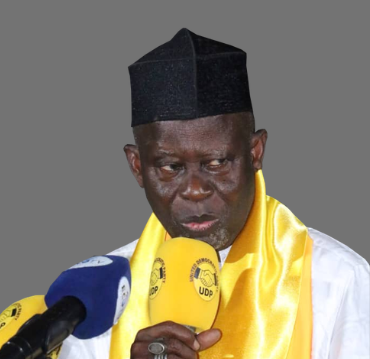
Malang N Fofana, Director General of the National Nutrition Agency (NaNA), said the programme has now covered all extremely poor households across 36 districts, including every district in the North Bank Region, LRR, and CRR; most districts in URR; and the five districts in the Foni area. He said NaNA is expanding the scheme into urban areas—Kombo, Banjul, and Kanifing Municipality because extreme poverty persists there.
“The programme targets the extreme poor and aims to reduce poverty by supporting vulnerable households,” Fofana said. “Poverty is multidimensional and requires sustained, coordinated effort. This programme addresses several key factors that enable poor households to adapt and improve their livelihoods.
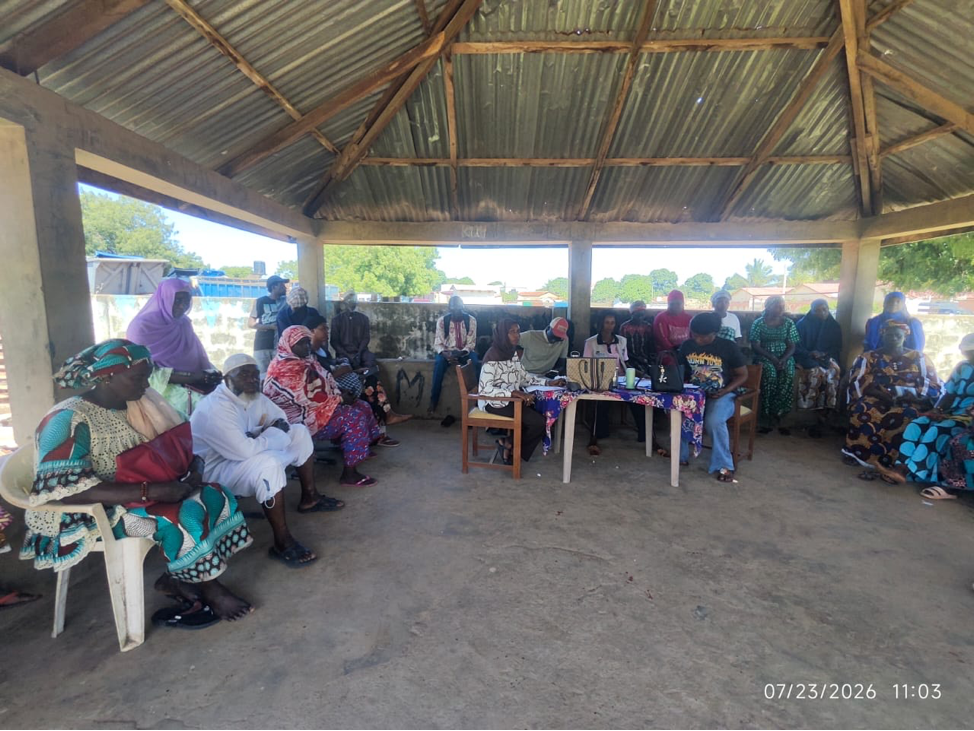
In the West Coast region, 4,365 households have been reached. In Kanifing Municipality, 220 households have benefited. At the local level, 73 households in Brikama Nyambia, 44 in Abuko, 21 in Dippa Kunda, and 44 in Ebo Town received transfers.
The Nafa Cash Transfer Programme remains a flagship government social-protection initiative. By providing direct financial assistance, it strengthens household resilience, improves nutrition, and creates pathways to sustainable livelihoods, enabling families to meet immediate needs and invest in longer-term well-being.