
By Olimatou Coker
The National Environment Agency (NEA), together with the United Nations Environment Programme (UNEP) and the ECOWAS Commission, concluded a two-day national workshop on cleaner fuels and vehicles at the Sir Dawda Kairaba Jawara International Conference Centre in Bijilo.
The workshop reviewed The Gambia’s progress in aligning national standards with ECOWAS Directive C/DIR.1/9/2020 on harmonized automotive fuel specifications and Directive C/DIR.2/9/2020 on harmonized vehicle emission limits. It forms part of a regional UNEP–Ecowas initiative to support member states in implementing these directives.
Policymakers, technical experts, regulatory agencies, development partners and private‑sector representatives assessed current implementation, examined national policies and regulatory frameworks, and identified institutional, technical, legal and operational barriers to enforcement.
Omar Sy, Director of Technical Service Network at NEA, said the workshop was convened to evaluate the country’s initiatives and to ensure a clear, actionable roadmap is in place. “We must track progress and work together to stay on course,” he said.
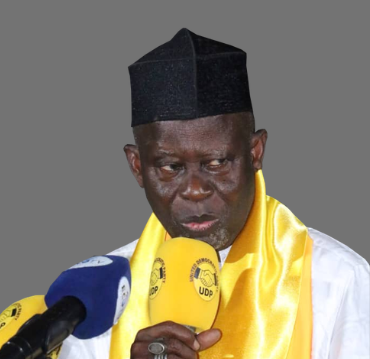
Deputy Executive Director Njaga Touray described the initiative as a concrete commitment to public health and sustainable development. He warned that air pollution—driven in large part by transport emissions of particulate matter, nitrogen oxides and greenhouse gases—already causes respiratory and cardiovascular disease and heightens climate risks. “Improving fuel quality and reducing vehicle emissions is an urgent priority,” Touray said.
Touray argued that cleaner fuels and vehicles deliver multiple benefits: better air quality, lower health costs, improved fuel efficiency, stronger climate action and greater economic resilience. He said the Ecowas directives align with The Gambia’s national priorities, the Paris Agreement and the Sustainable Development Goals. The NEA is boosting environmental monitoring—installing air‑quality equipment to generate data that will inform policy and measure progress toward cleaner air.
The workshop aimed to pinpoint The Gambia’s implementation status, review existing measures, identify remaining gaps, and produce a realistic, inclusive national roadmap with clear responsibilities, timelines and priorities. Touray urged participants to engage actively and to agree on practical actions that will accelerate implementation and provide lasting public‑health and environmental benefits.
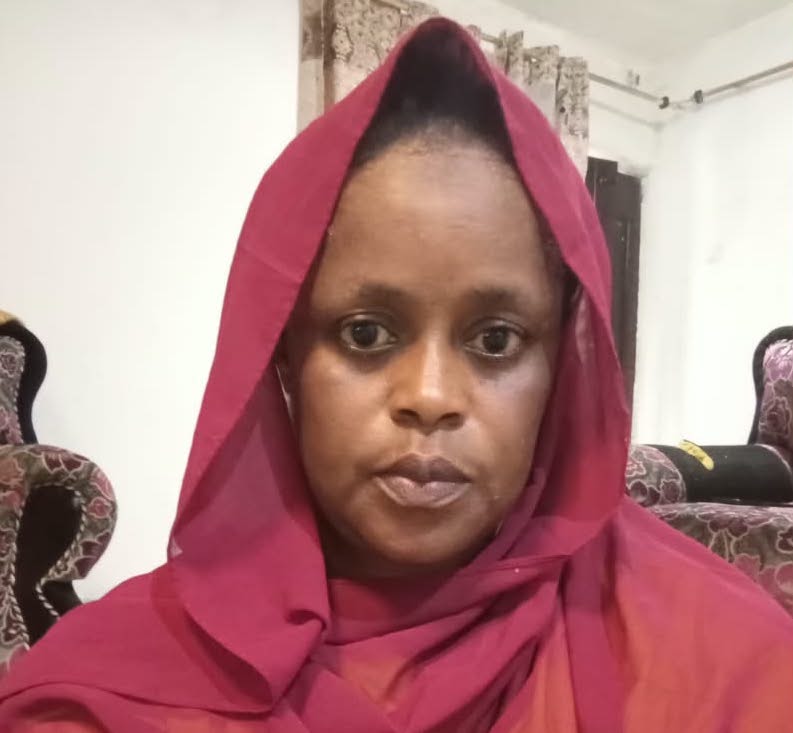
Jane Akumu, UNEP Representative, highlighted regional progress. Morocco has adopted 10 parts per million (ppm) sulfur fuels and Euro 6 vehicle standards, and five West African countries have enacted clean‑fuel regulations. “The region is on the cusp of a major shift,” Akumu said, noting that The Gambia has adopted the standards and must now accelerate implementation. She added that the proposed Ecowas standards are comparable to standards introduced in Europe in 2005 and stressed the severe health impacts of vehicle pollution, including childhood asthma and high road‑traffic fatalities.
Participants discussed operational challenges and practical measures to strengthen regulatory capacity and speed up adoption of the directives. The forum also facilitated knowledge exchange, identified legal and technical gaps, and generated policy options to fast‑track the transition to cleaner fuels and vehicles.
If implemented, the roadmap developed at the workshop will reduce vehicle emissions, improve air quality and strengthen public‑health protections across The Gambia.