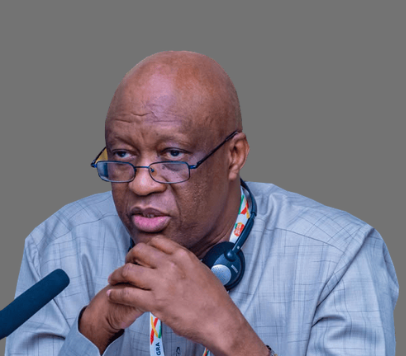
Vice President Muhammed Jallow has called for urgent and collective action to tackle malnutrition in The Gambia, describing nutrition as a critical pillar of human capital development, productivity and national prosperity.
He made the call on Wednesday while officially launching the National Nutrition Policy 2026–2035 and Strategic Plan 2027–2031.
The launch, organised by the National Nutrition Agency (NaNA), brought together government officials, diplomats, development partners, civil society organisations, NGOs and private-sector representatives.
Vice President Jallow said The Gambia continues to face a “triple burden” of malnutrition, including under-nutrition, micronutrient deficiencies and rising levels of overweight, obesity and diet-related non-communicable diseases.
“Nutrition is not merely about food. It is about human capital, dignity, productivity and national development,” he said.
He noted that under-nutrition continues to affect many Gambian children, while anaemia and vitamin A deficiency remain major concerns among vulnerable groups. At the same time, changing dietary patterns are contributing to increased obesity and related diseases.
According to him, the new policy provides a coordinated, multi-sectoral response focused on improving nutrition among adolescents, women, infants and young children, while promoting healthy diets, food safety and stronger nutrition services.
Jallow urged government institutions, development partners, civil society, academia, the private sector and communities to work together to translate the policy into measurable results.
He also commended Unicef for its technical and financial support, and Catholic Relief Services for supporting the launch.
NaNA executive director Malang Fofana, said the new policy is a timely and important step toward improving nutrition and human development in The Gambia.
He highlighted the country’s triple burden of malnutrition, including under-nutrition, micronutrient deficiencies, and rising overweight and obesity. Although progress has been made, he said significant challenges remain as malnutrition carries a major economic cost, estimated at about D3.96 billion annually, or 5.1% of GDP.
He said the new policy provides a 10-year framework focused on improving nutrition among women, adolescents, infants and young children; promoting access to safe and nutritious food; and preventing diet-related non-communicable diseases.
Andrew Posner, the public affairs officer at the US Embassy, reaffirmed their commitment to supporting The Gambia’s efforts to improve nutrition, strengthen communities, and build sustainable national systems.